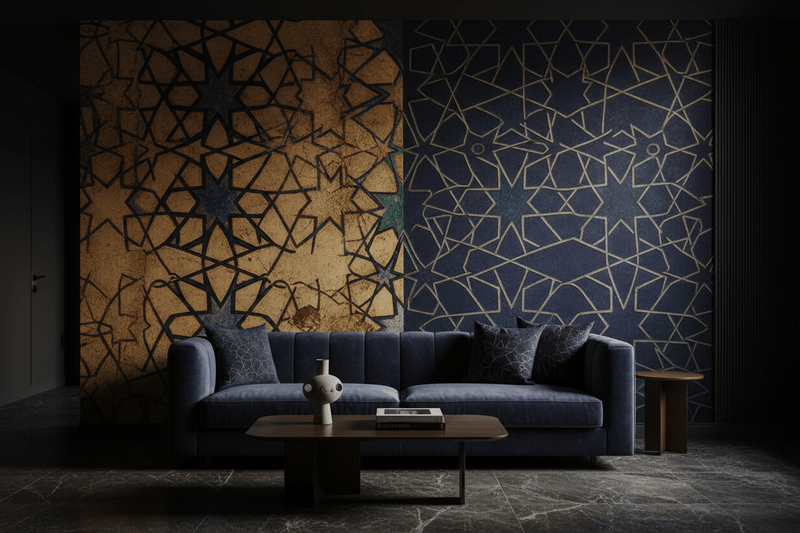
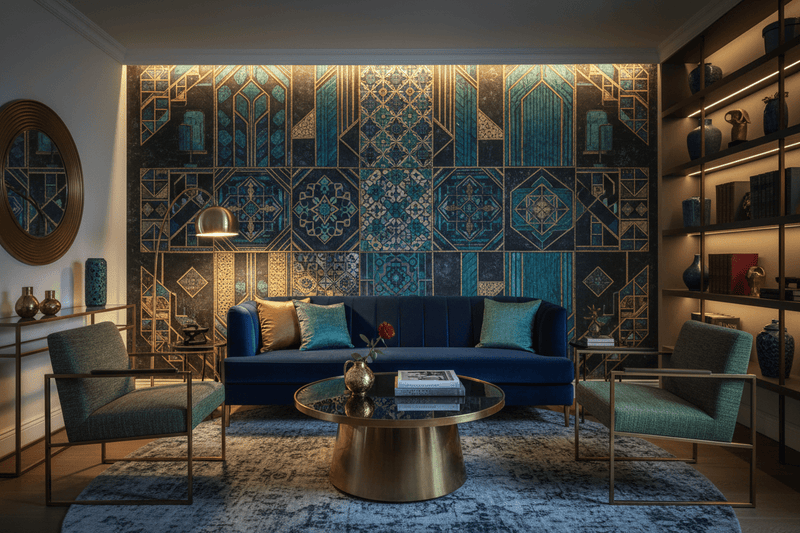
After more than a decade of glass boxes, bare concrete, and the relentless pursuit of 'less', something is shifting. Maximalist architecture — rich in ornament, material depth, and cultural reference — is making a confident return in 2026. And it's not nostalgia driving it. It's a fundamental rethinking of what buildings and interiors are for.
The Minimalist Hangover
The dominance of minimalism in architecture and interiors peaked somewhere around 2015–2019. Clean lines, white walls, and the elimination of 'unnecessary' detail became the default language of aspirational design. But as that aesthetic saturated the market — from luxury apartments to budget hotel chains — it began to feel less like a design philosophy and more like a cost-cutting strategy dressed up in theory.
The result: spaces that photograph beautifully but feel hollow to inhabit. Rooms with no story to tell.
What Maximalist Architecture Actually Means in 2026
The maximalism returning now is not the gilded excess of the 1980s. It is something more considered: an architecture of layered meaning, where ornament carries cultural weight, materials are chosen for tactility as much as appearance, and pattern is used with intention rather than restraint.
Key characteristics of the 2026 maximalist revival include:
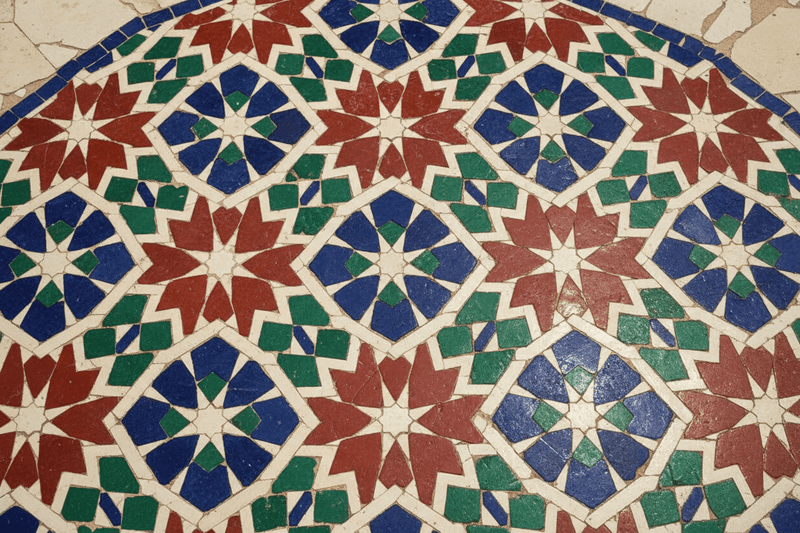
- Heritage pattern systems — geometric traditions from Islamic, Byzantine, and Art Deco lineages applied to facades, interiors, and surfaces
- Material richness — terrazzo, zellige tile, hand-plastered walls, and natural stone replacing engineered surfaces
- Colour confidence — deep, saturated palettes replacing the grey-and-white neutrals of the previous decade
- Narrative interiors — spaces designed to communicate identity, provenance, and cultural connection
The Drivers Behind the Shift
Several forces are converging to accelerate this trend. Post-pandemic, people are spending more time at home and demanding more from their domestic environments — comfort, beauty, and a sense of place. At the same time, a generation of designers trained in computational tools are rediscovering the expressive potential of ornament, now executable at scale through digital fabrication and precision printing.
There is also a cultural dimension: a growing appetite for design that reflects non-Western traditions. The geometric heritage of the Islamic world, the tile traditions of North Africa and the Levant, and the pattern languages of South and Southeast Asia are all finding serious audiences in contemporary interiors.
What This Means for Your Home
You don't need to commission a new building to participate in this shift. The maximalist revival is as accessible at the scale of a single wall as it is at the scale of a facade. A heritage geometric mural, a zellige-tiled splashback, a hand-knotted rug with a complex repeat — these are the entry points for bringing this architectural sensibility into your home.
At Carta Noor, we've been working within this tradition from the beginning: geometric patterns drawn from Mamluk, Moorish, and Central Asian heritage, printed on premium non-woven substrates for contemporary interiors. The comeback of maximalist architecture isn't a trend we're chasing — it's the conversation we've always been part of.